






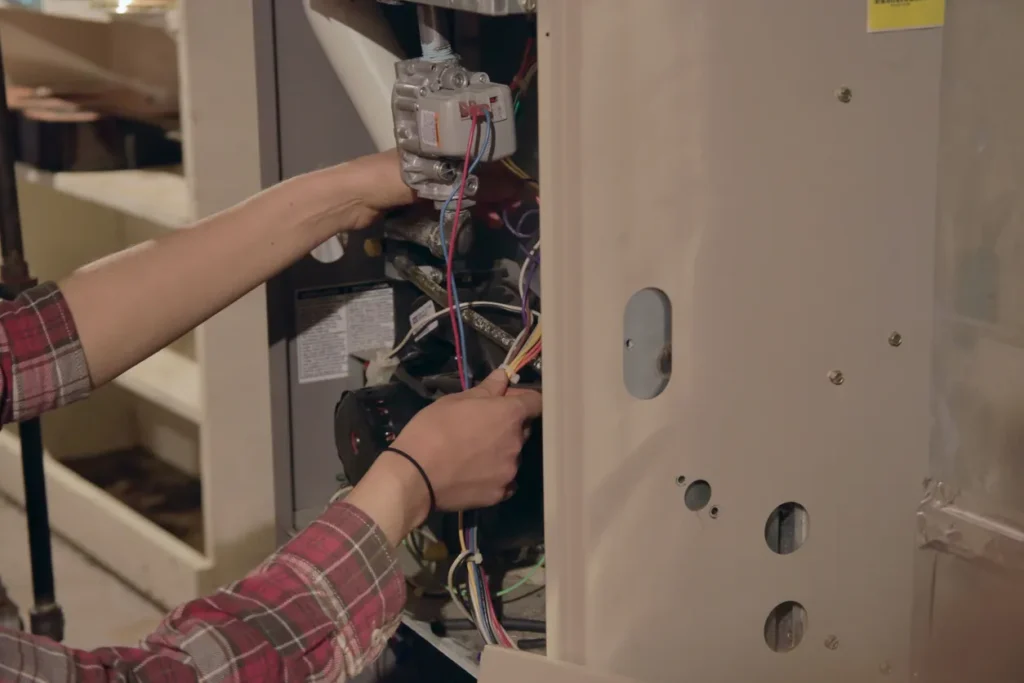
Troubleshooting Common Furnace Problems: How to Diagnose and Fix Furnace Issues in the Hudson Valley
A furnace that won’t heat consistently is more than an inconvenience — it can lead to bigger damage if ignored. This guide walks Hudson Valley homeowners through how furnaces make heat, the common ways that process can fail, and the safe DIY checks you can try before calling a pro. You’ll learn to recognize the most common symptoms — no heat, weak airflow, short cycling, strange noises, and ignition issues — and follow clear, step-by-step diagnostics and basic fixes. We include safety notes so you’ll know when to stop and call a licensed technician for gas, electrical, or combustion concerns. McCourt Heating & Cooling is a local Hudson Valley HVAC team serving Dutchess, Orange, and Ulster counties for residential and commercial furnace repair, replacement, and maintenance. Read on for practical DIY steps, safety guidance, and simple criteria for when to request professional service. The sections below link symptoms to likely causes, outline ordered troubleshooting, and explain seasonal maintenance that keeps systems running reliably.
Why Is My Furnace Not Heating? Causes, Symptoms, and DIY Fixes
A furnace stops producing heat when one part of the heating sequence — a control signal, the ignition, combustion, or heat transfer — is interrupted. Pinpointing that interruption quickly helps restore warmth and prevents secondary damage. Common causes include restricted airflow that prevents proper heat exchange, thermostat or control faults that stop the cycle, and ignition or fuel-supply problems that keep burners from lighting. Focusing your checks on the most likely systems reduces guesswork and gets you back to safe, efficient heating faster. It also makes it easier to describe the problem to a technician if you need professional service.
Start by looking for a few clear, observable signs that narrow down the root cause.
- No warm air from vents: The blower may run but the air coming from registers stays room temperature.
- Thermostat calls but no ignition: The thermostat requests heat but the burners never light.
- Intermittent heat or uneven rooms: Some areas warm up while others stay cool.
Each of these symptoms points to different systems and leads to the targeted checks in the sections that follow.
What Are the Common Signs of a Furnace Not Producing Heat?
Homeowners usually spot a handful of repeatable signs when a furnace won’t produce heat, and those signs map directly to the components to inspect. If the blower runs but registers stay cool, suspect ignition or heat-exchange problems; a silent unit often means no power or a tripped safety switch. Uneven heating can indicate airflow restrictions, duct problems, or zoning faults, while frequent on/off cycling suggests safety limits or control issues. Check the thermostat display for error codes and note whether the blower is running — that helps you decide whether to look at electrical controls or the ignition/fuel system next.
Knowing whether air is moving but not heating, or whether the burners aren’t firing, focuses your next steps.
How Can I Troubleshoot Thermostat and Pilot Light Issues?
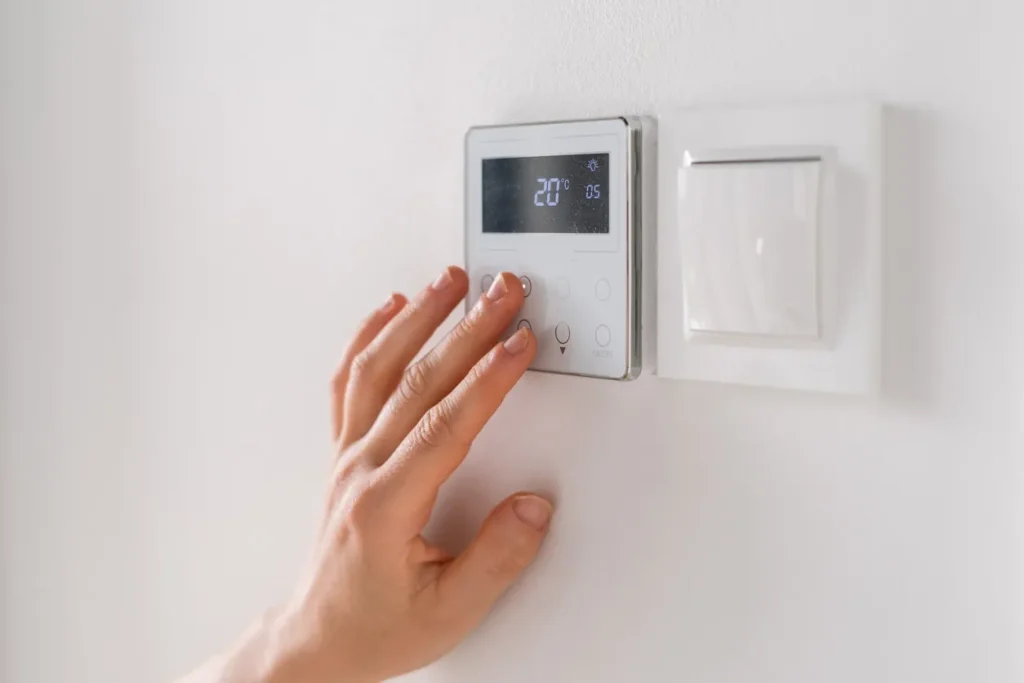
Begin with the thermostat — it’s the command center. Confirm it’s set to Heat, the setpoint is above the room temperature, and replace batteries if it’s battery-powered. A misconfigured or dead thermostat won’t call for heat even when the furnace is fine. For older gas furnaces with a standing pilot, look for a steady blue pilot flame and follow the manufacturer’s relight procedure if it’s out — but stop and call a pro if you smell gas. For furnaces with electronic igniters, listen for the clicking or sparking when the system tries to light; no ignition after clicks often points to a bad igniter, dirty flame sensor, or a control board issue. If you detect a strong gas odor, persistent ignition failures, or you’re uncomfortable doing the checks, shut the unit off and contact a licensed technician.
After you’ve confirmed thermostat and ignition/pilot status, move on to power and airflow checks to further isolate electrical or mechanical faults.
How Do I Fix a Furnace Blowing Cold Air? Diagnosing Airflow and Component Failures
Cold air from the registers usually means a problem with either heat generation or airflow delivery. The most common airflow culprits are a clogged air filter that starves the heat exchanger and blower motor or control issues that prevent enough air from moving across hot surfaces. Mechanical faults — a seized blower, failed capacitor, or closed dampers — can also produce cool airflow even when burners are firing. Start with a systematic check of filters, blower operation, and venting; addressing airflow first reduces overheating risk and ensures any heat produced actually reaches your rooms.
Begin with visual, low-risk checks and only move to electrical observations if you’re comfortable and know how to work safely.
Before opening the cabinet, try these safe actions that often restore airflow and help isolate the fault.
- Check and replace the air filter: Swap any visibly dirty filter right away.
- Verify return vents are open and unobstructed: Clear furniture or items blocking returns.
- Inspect supply vents for weak airflow: Note which rooms have reduced airflow for targeted duct checks.
Those steps frequently resolve cold-air complaints and prepare you to evaluate the blower and controls if the problem persists.
How Does a Dirty Furnace Filter Affect Airflow and Heating?
A dirty filter limits return airflow, cutting heat transfer across the heat exchanger and forcing longer run times with uneven room temperatures. Restricted airflow makes the furnace work harder, increases energy use, and can trip the limit switch — a common cause of short cycling. Replacing the filter is a low-cost, high-impact fix: use the correct size and an appropriate MERV rating for your system, and follow manufacturer guidance on replacement frequency. For most Hudson Valley homes, check filters monthly during heavy use and replace when visibly dirty to keep heat transfer efficient and extend blower life.
Clean filters also cut dust in the ductwork and improve indoor air quality, which reduces some common system failures over time.
What Are the Signs of Blower Motor Problems Causing Cold Air?
Failing blower motors often hum but don’t move air, run intermittently, or spin noticeably slower. You might also smell burning at startup, hear loud clicking, or see the fan start slowly — signs that point to electrical issues like a failing capacitor or worn bearings rather than a simple airflow restriction. Blower motors involve live electricity and moving parts, so don’t attempt internal repairs unless you’re trained. Turn off power to the unit and schedule a professional inspection. A licensed technician can test motor windings, the capacitor, and controls to recommend repair or replacement that’s cost-effective and safe.
When motor failure is confirmed, professional replacement restores reliable airflow and prevents downstream heat-exchange damage.
What Causes a Furnace to Short Cycle and How Can I Prevent It?
Short cycling is when a furnace turns on and off frequently in short bursts. It shortens equipment life, raises wear, and reduces efficiency by preventing full heat cycles. The top causes are overheating from restricted airflow (dirty filters, closed vents), oversized equipment that reaches setpoint too quickly, thermostat errors that misread temperature, and safety limit switches tripping from high internal temperatures. Catching short cycling early protects the heat exchanger and blower and keeps energy bills from spiking. Prevention focuses on improving airflow, ensuring control accuracy, and confirming proper equipment sizing.
A mix of homeowner maintenance and professional checks prevents recurrence and protects system longevity.
Here are immediate homeowner steps to reduce short cycling.
- Replace or clean the air filter: Restores proper airflow and lowers overheating risk.
- Make sure supply and return vents are open: Balanced airflow helps the system run full cycles.
- Check thermostat placement and settings: Avoid mounting near heat sources, drafts, or direct sunlight.
If short cycling continues after these actions, schedule a technician for heating repair — sizing or heat-exchanger problems may require professional evaluation.
Why Does Furnace Overheating Lead to Short Cycling?
Overheating happens when not enough air moves across the heat exchanger, so internal temperatures rise and the limit switch shuts off the burners to protect the system. Once temperatures fall, the burners restart, creating the rapid on/off pattern called short cycling. This behavior accelerates component wear and reduces comfort. Common overheating causes are clogged filters, blocked return vents, closed supply vents, and dirty heat exchangers that reduce heat transfer. Start troubleshooting with filters and vents; if overheating continues, have a technician inspect the heat exchanger and safety controls for soot, restrictions, or faults.
Fixing airflow and combustion cleanliness stops overheating and restores steady, safe operation.
How Does Furnace Size Affect Short Cycling Problems?
An oversized furnace warms a space too quickly, producing short run times and frequent cycling that leave humidity and comfort levels unstable. Correct sizing comes from a load calculation that accounts for insulation, square footage, and local climate; oversized units sometimes need zoning or control changes to reduce short cycles. Signs of oversizing include rapid temperature rises, uneven humidity, and frequent start/stop cycles even with clean filters and open vents. If you suspect the unit is oversized, ask a pro for a heat-load assessment to determine whether ducting, zoning, or a right-sized replacement is the right solution.
Proper sizing and the right control strategy deliver longer run cycles, better comfort, and less wear.
What Should I Do When My Furnace Won’t Turn On? Step-by-Step Diagnostic Guide
If your furnace won’t start, the cause could be a simple power or control issue — or a more serious gas or safety problem. Follow a safe, ordered diagnostic sequence: begin with low-risk checks like the thermostat and power switch, then move to breakers and fuel supply, and finish with ignition and safety interlocks that usually need a professional toolset. This sequence reduces unnecessary parts replacement and clarifies whether an on-site service call is needed. Remember: if you smell gas, see repeated electrical tripping, or find unfamiliar wiring, stop and call a licensed technician right away.
The steps below offer a clear, homeowner-friendly order for troubleshooting.
- Check thermostat settings and batteries: Make sure the thermostat is set to Heat and the setpoint is higher than the room temperature.
- Verify the furnace switch and circuit breaker: Ensure the furnace switch (often near the unit) is on and reset any tripped breakers once.
- Inspect the fuel supply and gas valve: Confirm the gas valve is open; if you smell gas, leave the home and call professionals immediately.
- Examine safety switches and door interlocks: Some furnaces won’t start if access panels are loose or removed — ensure panels are secure.
- Listen for ignition attempts: If you hear control clicks but no flame, the igniter or flame sensor may need technician service.
If these steps don’t restore operation, schedule a professional inspection to find electrical-control or combustion-related faults that require certified service.
Why Is My Furnace Making Strange Noises? Identifying and Fixing Common Sounds
Odd furnace noises are both diagnostic clues and early warnings of mechanical or combustion issues. Squeals often point to worn blower bearings or belts; bangs or loud thumps can signal delayed ignition or combustion problems; and rattling usually means loose panels or debris in the cabinet. You can tighten loose panels or address simple belt issues yourself, but any noise that sounds like combustion trouble or a loud bang should prompt immediate shutdown and a professional inspection. Catching issues early can stop a noisy nuisance from turning into an unsafe failure.
What Do Squealing, Banging, and Rattling Noises Indicate?
Different sounds map to different problems: squealing suggests motor or belt wear, banging or a boom at ignition points to delayed combustion where fuel ignites after a short delay, and rattling typically signals loose components or foreign objects hitting the blower. Listen during startup and shutdown to tie the noise to a specific event — that timing is a key diagnostic clue. If you hear banging or combustion-type noises, power down the furnace and call professionals immediately. For squealing or rattles, check and tighten accessible panels and belts if you can do so safely, then schedule a technician if the noise continues.
Minor hardware fixes often cure rattles, but persistent or unclear noises should be handled by a professional to ensure safe operation.
How Can I Troubleshoot Furnace Ignition Noises?
Ignition-related sounds like repeated clicking, loud whooshes, or delayed bangs usually mean the ignition source is weak or combustion timing is off. Observe safely, then shut the unit down if noises are severe. Note whether the ignition attempts are audible and whether the flame appears steady and blue — a yellow or irregular flame or loud ignition bangs are signs of combustion problems that need inspection. Document when the noise happens and what it sounds like; that information helps technicians diagnose control timing, gas pressure, or burner issues. If you suspect ignition problems, turn off the furnace and arrange for a licensed technician to perform combustion checks and repairs.
Proper combustion tuning and component service restore quiet, safe ignition sequences and prevent further damage.
When Should I Schedule Professional Furnace Maintenance with McCourt Heating & Cooling?
Book a professional tune-up before the heating season to make sure burners, heat exchangers, and safety controls are inspected and calibrated, and to reduce the chance of mid-winter emergency calls. McCourt Heating & Cooling provides professional maintenance and repairs across Dutchess, Orange, and Ulster counties with fully licensed, insured technicians for both residential and commercial systems. A pre-season visit lets us spot wear, confirm safe combustion, and optimize efficiency. During a service call expect thorough checks of ignition systems, combustion performance, blower operation, electrical connections, and thermostat calibration — and ask for written findings so you can track system health. To request service, call our office to schedule and speak with a live person who can answer questions and arrange a timely visit.
(845) 297-0204 is the number to call to arrange service and speak directly with the McCourt team.
Final call to action and business summary: McCourt Heating & Cooling is your Hudson Valley HVAC partner for furnace repair, replacement, and maintenance for gas, oil, and electric systems. We’re fully licensed and insured and committed to local, dependable service. If you detect gas odors, persistent ignition failures, repeated electrical tripping, or concerning combustion noises, call (845) 297-0204 to request a professional evaluation and schedule maintenance that reduces downtime and restores safe, efficient heating.
Conclusion
Knowing how to troubleshoot common furnace issues helps you protect comfort and safety in your home. Simple checks — like filters, thermostat settings, and vents — often fix routine problems and save on repair costs. When the issue involves gas, ignition, combustion, or electrical faults, McCourt Heating & Cooling is ready to help with licensed, local service tailored to Hudson Valley homes and businesses. Schedule your maintenance or repair today to keep your furnace running safely and efficiently all winter.